

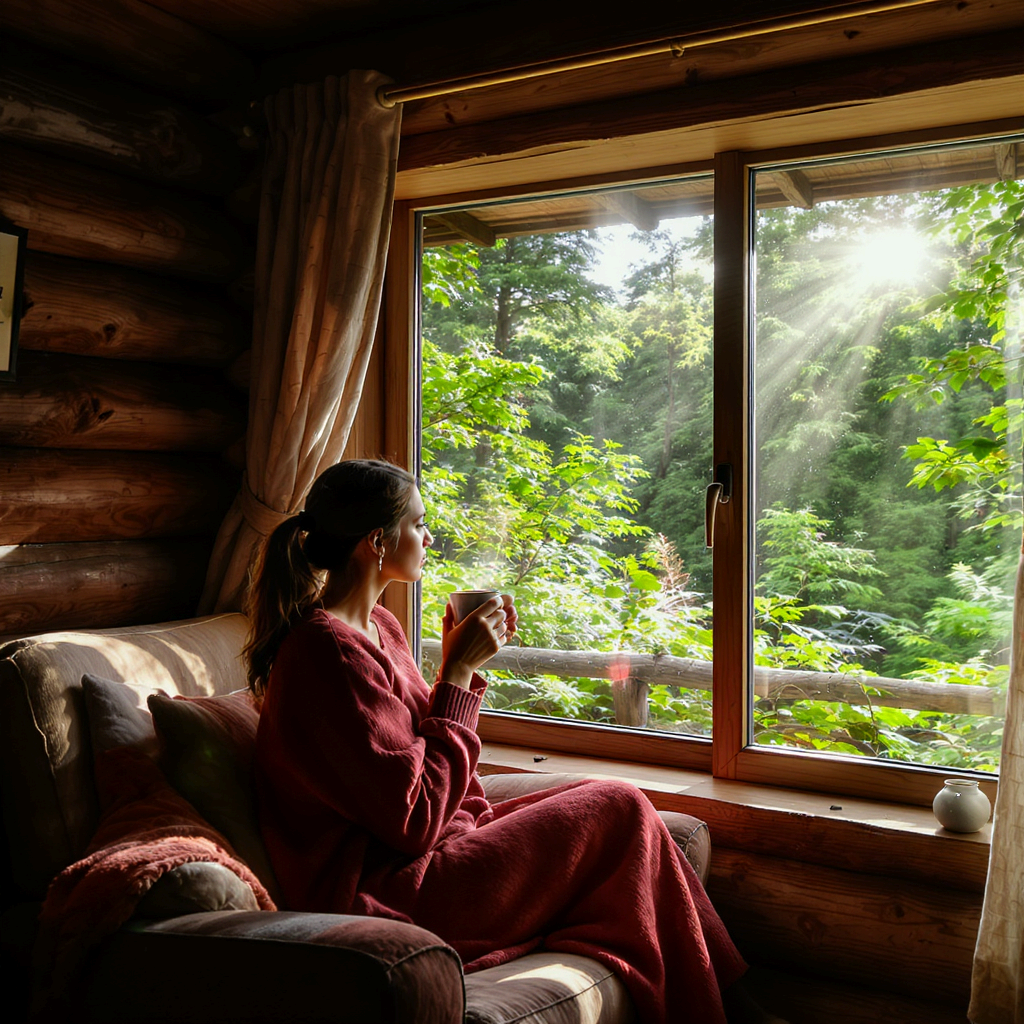
Bushcraft Log Cabin Camping Tips for Beginners
Bushcraft Log Cabin Camping Tips for Beginners
Embarking on a bushcraft journey can feel daunting, especially for those new to outdoor survival skills. The idea of living off the grid and connecting with nature is appealing, but the reality can seem intimidating. This is where log cabin camping becomes the perfect starting point. It offers the best of both worlds: the thrill of the wild with the comfort of a solid base camp. To help you get started on this rewarding path, we’ve put together some essential **bushcraft log cabin camping tips** that will build your confidence and skills.
Essential Bushcraft Log Cabin Camping Tips
The first step is to focus on foundational skills. Tip #1 is to master fire-starting. While a cabin provides shelter, a crackling fire is the heart of the experience. Practice using a ferro rod or flint and steel to build a fire safely in the cabin’s designated fire pit or fireplace. Tip #2 is to learn basic knot-tying. This skill is invaluable for everything from securing gear to building small camp structures. You don’t need to know dozens of knots; a few reliable ones, like the bowline and clove hitch, will serve you well. By starting with these two core skills, you’ll feel a powerful sense of accomplishment.
Advanced Skills: Bushcraft Tips for Beginners
Once you’re comfortable with the basics, you can move on to more involved skills. Tip #3 is to learn basic foraging and plant identification. Knowing which local plants are safe to eat or can be used for medicinal purposes adds a new layer of engagement with your environment. It’s an exciting way to truly connect with the land. Tip #4 is to practice safe tool handling. A good knife and axe are a bushcrafter’s best friends, but they require respect and careful use. Take the time to learn proper cutting and chopping techniques to prevent accidents. These are all crucial lessons for anyone venturing further into the wilderness. For more advice and stories on outdoor living, check out our comprehensive resource of camping tips. And if you’re ready to take the next step after mastering the cabin, this guide to wild camping for beginners is the perfect next read.
Finally, Tip #5 is to embrace the art of shelter building. While you have the luxury of a cabin, practicing building a small, temporary lean-to or survival shelter can be a fun and educational activity. It solidifies your understanding of how to use natural materials. This whole experience is a journey of self-reliance and peace. It’s about finding comfort in your own abilities. The goal of these **bushcraft log cabin camping tips** isn’t to turn you into a survivalist overnight. It’s to provide a gentle, safe way to learn and grow. We’re all about making nature accessible and enjoyable. For more inspiration and stories, visit our site.